Kids at Weddings: Options Between All Welcome and Adults Only
The middle-ground options between a fully child-free wedding and inviting every kid, plus how to word and communicate your policy without hurt feelings.
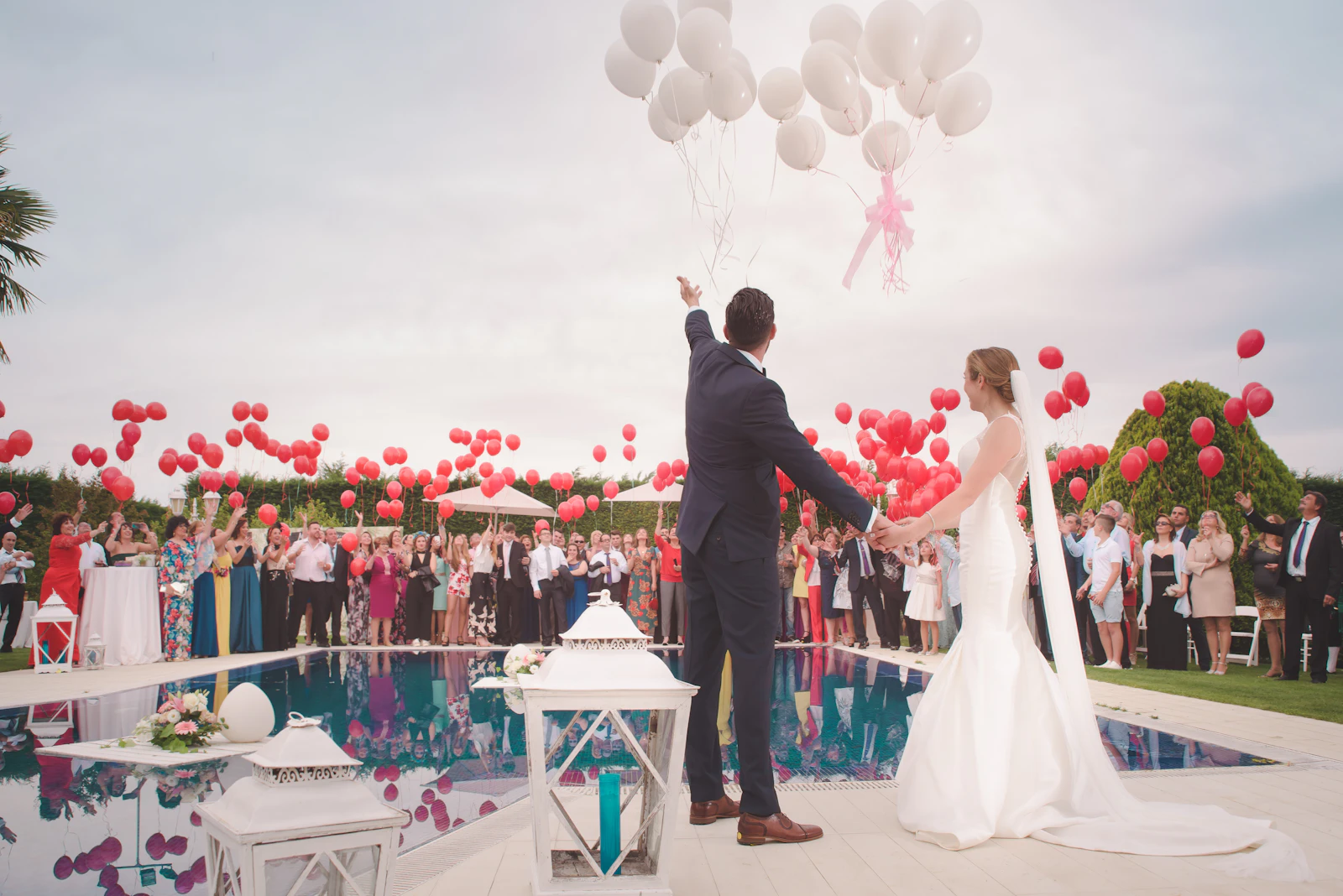
You have more than two choices here. Between "every child welcome" and "strictly adults only" sits a whole spectrum: immediate family only, ceremony only, older kids only, or on-site childcare so parents can celebrate freely. Pick the version that fits your day, then communicate it clearly and early.
Most tension around kids at weddings comes not from the policy itself but from how it's delivered. A clear, warm, consistent message prevents almost every awkward conversation.
Childcare planning: Any cost example should be replaced with a local written quote. Check qualifications, safeguarding procedures, caregiver ratios, accessibility, parental contact arrangements and venue requirements.
This guide helps you choose a children-at-the-wedding policy and plan childcare or exceptions. Once you've decided, our invitation etiquette guide covers how to announce the policy without confusion, and invitation addressing examples show how to name the invited household.
The full spectrum of kid policies
Framing this as all-or-nothing is what makes it hard. In reality, couples land all along a range, and naming your exact spot removes the guesswork for guests. The clearer your line, the fewer negotiations you'll field later.
The common policies, from most to least inclusive:
- All children welcome. Simplest to communicate, hardest on budget and ceremony calm. Every child counts as a headcount for catering and seating.
- Immediate family only. Nieces, nephews, and the couple's own kids are invited; everyone else's stay home. A popular, defensible middle.
- Wedding party kids only. Flower girls, ring bearers, and their siblings, and no others.
- Over a certain age. Often 10 and up, so kids can sit through a ceremony and dinner without much minding.
- Ceremony only, or reception only. Kids attend one portion but not the whole day.
- Fully child-free. No one under 18, no exceptions, adults enjoy a grown-up evening.
Decide your policy before you finalize the guest list, because it directly changes your count. Our wedding planning tips hub covers how headcount ripples through the rest of your budget.
Ceremony-only and family-only compromises
If a fully child-free wedding feels too harsh but a room full of toddlers feels like too much, the compromise policies exist precisely for you. They let you include children in the meaningful moment while keeping the reception adult, or limit kids to the ones you're genuinely close to.
The ceremony-only approach invites children to witness the vows, then arranges for them to leave (with a sitter, or with parents who've planned an early exit) before the reception. It works beautifully when you want family babies in the aisle photos but a calmer dance floor at night.
The family-only approach, inviting your own kids, nieces, nephews, and maybe the wedding party's children, is the most-used compromise for one reason: it's easy to justify. Nobody argues that your niece and a coworker's toddler are the same relationship. That built-in fairness is why family-only rarely generates pushback.
Childcare at the venue
On-site childcare is the option couples forget exists, and it solves the hardest case: parents who genuinely can't attend without their kids. Instead of forcing a choice between excluding children and inviting all of them, you provide supervised care so parents can celebrate while their kids are cared for nearby.
This can be as simple as hiring a couple of vetted sitters for a separate room, or as full-service as a professional event-childcare company that brings staff, activities, and even cots for nap time. Expect to pay roughly $20 to $40 per hour per sitter, more for a licensed company, split across the families using it or covered entirely by you.
What good on-site childcare needs:
- A dedicated, safe room away from the bar and dance floor.
- An appropriate ratio, typically one adult per few kids depending on ages.
- Vetted, insured caregivers, not a favor asked of a teenage cousin.
- Food, activities, and quiet space for younger children to wind down.
For destination or hotel weddings especially, this can be the difference between a friend attending and sending regrets.
Kids tables and entertainment
If children are coming, plan for them on purpose, because a bored kid is a disruption waiting to happen, and that's on the planning, not the child. A dedicated kids' table with the right supplies keeps young guests happy and lets their parents actually eat dinner.
Seat children together (with older kids old enough to help mind younger ones) and stock the table with low-mess entertainment. Coloring books, small activity kits, and simple games buy you a peaceful dinner. Some couples build a whole kids' corner with a movie and beanbags for the reception's later hours, which doubles as a graceful way to keep tired kids out of the party.
Feed them well and feed them early. A kid-friendly meal, chicken tenders, pasta, fruit, served promptly beats making children wait through a plated adult dinner. Small, thoughtful kid-friendly favors at each place setting, an activity book or a little treat, keep them occupied and feeling included.
Communicating the policy kindly
How you deliver the policy matters more than the policy itself. The golden rule: state it clearly, apply it consistently, and never explain it as if you're apologizing. Wishy-washy wording invites negotiation; a warm, confident line closes it.
Put the message where guests will actually see it, primarily your wedding website and, for adults-only weddings, subtly reinforced by how you address the envelopes. The invitation names exactly who is invited. Your wedding website and invitation details carry the fuller explanation so the invitation itself stays elegant.
Wording that works:
- Adults only: "We love your little ones dearly. To let all our guests relax and enjoy the evening, we've chosen an adults-only celebration."
- Family only: "We're keeping our celebration limited to immediate family's children. We hope this gives you a well-deserved night out."
- On the envelope: address it to the specific named adults only. The absence of the children's names is itself the message.
Say it once, clearly, and don't over-justify. Confidence reads as kindness here.
Handling the inevitable exceptions
Someone will ask, and how you answer sets the precedent for everyone. The moment you grant one exception "just this once," word travels and your policy collapses. The kindest thing for the whole guest list is a consistent, gentle no.
Prepare a single line and use it every time: "We completely understand, and we've had to keep the same policy for everyone so it's fair. We'd love for you to come and enjoy a night off, but we understand if you can't make it." That last clause matters, you're giving them a graceful out without bending the rule.
The genuine exceptions are usually two: nursing infants, which most couples quietly welcome regardless of policy, and the wedding party's children, who often have a role. Decide those two in advance so you're not making emotional calls on the fly. For everyone else, consistency is what keeps your policy fair, and fairness is what keeps the peace.
Common questions about kids at weddings
How do you word a child-free wedding invitation?
Keep it warm, brief, and unapologetic, and put the detail on your wedding website rather than the invitation itself. A line like "We've chosen an adults-only celebration so all our guests can relax and enjoy the evening" works well. On the envelope, address it only to the specific adults invited; leaving children's names off is the clearest, most polite signal that they're not included.
What are the alternatives to a fully child-free wedding?
Plenty. You can invite immediate family's children only, limit it to the wedding party's kids, set an age minimum like 10 and up, include children for the ceremony but not the reception, or hire on-site childcare so parents can attend while their kids are supervised nearby. Most couples find a middle-ground policy fits better than either extreme.
How much does wedding childcare cost?
On-site childcare pricing varies by region, licensing and staffing requirements, as well as the ages and number of children. Request a quote from an insured, appropriately qualified provider. A professional event-childcare company that brings staff, activities, and supplies costs more but handles everything. Couples either cover it entirely as a gift to guests or split the cost among the families using it.
How do you handle guests who ignore the kids policy?
Respond consistently and kindly every time, since one exception unravels the whole policy. Use a prepared line that's gentle but firm: acknowledge you understand, explain you've kept it the same for everyone to be fair, and offer a graceful out if they can't attend without their children. Decide in advance on the two common genuine exceptions, nursing infants and wedding-party kids.
Written by the Bride Loom editorial team · Updated October 24, 2026. Read our editorial policy and corrections process.