25 Things Wedding Guests Never Notice (Stop Paying for Them)
A blunt list of wedding costs guests never register, plus where to move that money so the spending actually shows up in their memories.
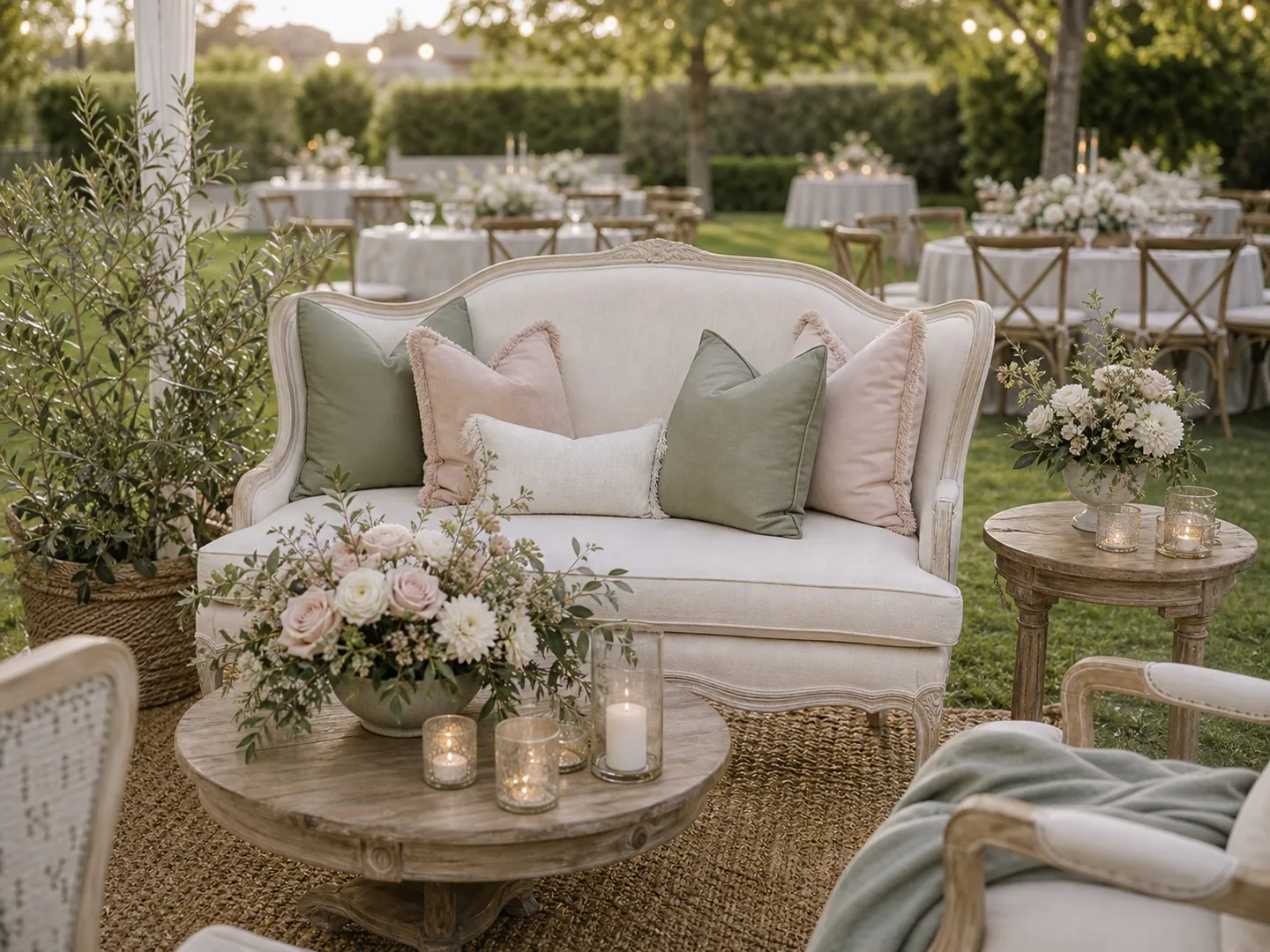
Guests remember three things: whether they felt welcomed, whether the food was good, and whether the party was fun. Almost everything else you agonize over disappears from memory by the drive home. That's not cynical, it's freeing.
Below are the line items that eat budgets while doing almost nothing for the guest experience. Cut or shrink them, then pour that money into the handful of things people actually feel.
What guests actually remember
Ask anyone about a wedding they attended two years ago and you'll get the same answers: the couple looked happy, dinner ran late (or didn't), the bar was open (or wasn't), and the dance floor was packed (or empty). Nobody recalls the napkin fold, the monogrammed aisle runner, or the shade of the table numbers.
This matters because most wedding budgets are built backward. Couples spread money evenly across dozens of categories, treating a $400 favor order as equal in weight to a $400 upgrade in food or drink. It isn't. The guest experience is dominated by a few high-impact levers and almost untouched by the rest.
Keep this filter handy for every purchase: Will a guest notice this is missing? If the honest answer is no, that's a candidate for cutting. Our wedding budget guide walks through how to weight categories by impact instead of splitting evenly.
Paper and favor money pits
Paper goods and favors are where good money goes to be thrown away, sometimes literally, in the trash by the coat check. Guests glance at a program for four seconds and leave it on the chair. Menus get read once. Favors get abandoned on tables at a rate that would horrify you.
Skip or shrink these:
- Ceremony programs. Most guests set them down and never pick them back up. A single sign listing the wedding party does the same job.
- Printed menus at every seat. One menu per table rather than one per place setting reduces the number of copies substantially; actual printing savings depend on minimum-order quantities and design costs.
- Traditional favors. Personalized koozies, mini bottles, trinkets with your date on them. Guests leave roughly half behind. If you want favors, make them edible or genuinely useful, our wedding favor guide covers the ones people actually take home.
- Escort cards AND place cards AND a seating chart. Pick one system. Doubling up is invisible to guests and doubles the printing.
- Save-the-date magnets plus formal invitations plus enclosure cards. Trim the stack. A clean invitation with a website link replaces three inserts.
None of this makes your wedding feel cheap. Guests never counted the cards to begin with.
Decor details that vanish
Decor is where couples overspend most, because Pinterest rewards density and real rooms don't. Under warm reception lighting, with 120 people moving around, small details simply disappear. The eye reads the overall glow, not the individual object.
Details nobody registers:
- Chair covers and sashes. In a dim, full room, no one is studying the chairs. Rent nicer chairs or skip it.
- Aisle runners. They wrinkle, they're walked on once, and they're gone.
- Ceiling draping in an already-attractive space. Save this for genuinely ugly rooms that need rescuing.
- Elaborate cocktail-hour florals. Guests are holding a drink and talking for 45 minutes. They aren't examining the arrangements.
- Bathroom baskets, custom cocktail napkins, monogrammed dance floors. Sweet ideas, near-zero recall.
Spend on height, light, and a few focal moments instead of scattering money across fifty tiny touches. One dramatic centerpiece per table beats ten fiddly accents. See our wedding decor guide for the pieces that carry a room versus the ones that quietly vanish.
Food and drink over-spends
Here's the twist: food and drink is where guests notice everything, but you can still overspend on the wrong parts. The goal is spending on what reaches the plate and glass, not on prestige upgrades nobody clocks.
Overspends guests won't taste:
- A five-course plated dinner when three great courses would land just as well and cost less per head.
- Top-shelf liquor across a full open bar. Most guests can't tell mid-shelf from top-shelf after cocktail hour. Cover the well and a couple of signature drinks.
- Champagne toast poured for every guest. Half the glasses sit untouched. Let people toast with whatever's already in their hand.
- A towering cake sized to feed 200 when you have 120 guests and a dessert table. Order fewer real tiers.
- Passed hors d'oeuvres in eight varieties. Four generous options beat eight stingy ones.
What guests do notice: running out of food, a slow or closed bar, and long waits between courses. Protect those. Spend down from luxury, never down from adequacy.
The transportation trap
Transportation is a stealth budget-killer that guests rarely appreciate at the price you pay. A vintage car rental for the couple, a party bus with an idle two-hour minimum, matching getaway vehicles: these photograph well but cost far more than the moment they create.
Guests care about their logistics, not yours. A shuttle that gets them from the hotel to the venue and safely back is worth every dollar, that's a genuine kindness they remember. A stretch limo for the wedding party circling the block is not.
Trim here:
- Skip the specialty getaway car unless it's a true passion. A friend's nice car works.
- Book shuttle time in tight windows, not open-ended blocks with hours of paid idling.
- Combine trips. One well-timed shuttle loop beats three sparse ones.
Where to move that money instead
Every dollar you claw back from the invisible list should land somewhere guests actually feel. This is the whole point, you're not spending less, you're spending where it registers.
Here's the honest trade, side by side:
| Cut this (invisible) | Move it to (memorable) |
|---|---|
| Full-guest champagne toast | Longer or better-stocked bar |
| Elaborate favors | Late-night snack |
| Ceremony programs + menus | More hors d'oeuvres at cocktail hour |
| Chair covers and sashes | Better lighting and a great DJ |
| Getaway car rental | Guest shuttle service |
The pattern is clear. Comfort, food, drink, and fun outrank decoration and formality every time. A packed dance floor at midnight erases any memory of whether the napkins were folded into swans.
Redirect ruthlessly. Your guests will tell you it was the best wedding they've been to, and they'll never know it's because you stopped paying for things they were never going to notice.
Common questions about wedding costs not worth it
What do wedding guests actually notice most?
Guests notice the food quality, the bar (open, closed, or slow), how long they waited between events, whether they had a seat and knew where to go, and whether the party was fun. They notice feeling welcomed and fed. They almost never notice decor details, paper goods, or upgrades like top-shelf liquor and specialty transportation.
Are wedding favors worth the money?
Usually not, at least not the traditional trinket kind. A large share of personalized favors get left behind on tables. If you want favors, edible ones and genuinely useful items get taken home far more reliably. Many couples skip favors entirely and put that money toward a late-night snack, which guests consistently remember and rave about.
What is the biggest waste of money at a wedding?
The most common wasted spend is decor density: chair covers, aisle runners, ceiling draping in already-nice rooms, and dozens of small accents that vanish under low reception lighting. Elaborate paper suites and untouched champagne toasts follow close behind. None of it registers with guests, yet it can quietly consume thousands of dollars.
Should we cut costs or just have a smaller wedding?
Cutting guest count is the single most powerful lever, since headcount drives catering, rentals, bar, and stationery all at once. But you can also keep your list and simply stop funding invisible extras. Most couples do both: trim the guest list modestly, then redirect the savings from unnoticed line items into food, drink, and comfort.
Written by the Bride Loom editorial team · Updated October 24, 2026. Read our editorial policy and corrections process.