Venues & Settings · September 4, 2026 · 6 min read
All-Inclusive vs DIY Wedding Venues: The True Cost Comparison
All-inclusive or blank-slate venue? Here is the honest cost math, the hidden rental list, and which model actually fits your budget and your weekends.
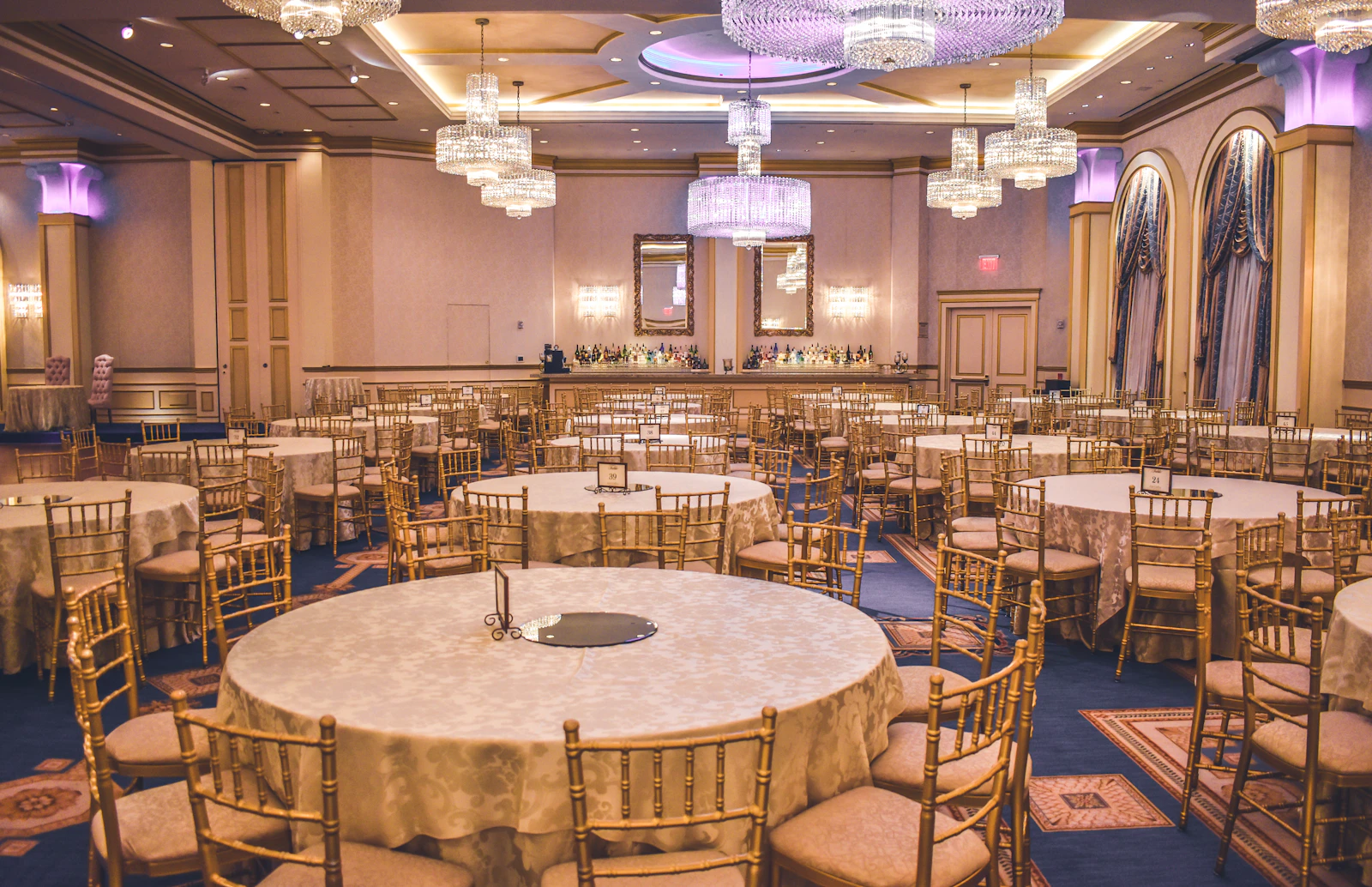
All-inclusive venues bundle the space, tables, chairs, catering, staff, and often the bar into one contract. A DIY or raw venue rents you four walls and a date; you build everything else yourself. On a strict apples-to-apples comparison, all-inclusive usually costs less per guest once you total what an empty room actually needs.
So the blank-slate venue is not the money-saver couples assume it is. What it buys you is control and personality. The real question is how you want to spend the months between now and the wedding.
What all-inclusive really includes
An all-inclusive venue hands you a mostly finished wedding. For a set price, typically a per-head package or a flat facility fee plus catering, you get the ceremony and reception space, tables and chairs, linens, in-house catering, a bar package, day-of coordination, and a cleanup crew. Many also throw in a getting-ready suite and basic uplighting.
The appeal is fewer moving parts. One point of contact runs the timeline, the vendor list is short, and you rarely get a surprise phone call about who is dropping off the flatware. In 2026, packaged venues commonly run $125 to $250 per guest all-in, which for 100 guests lands somewhere between $18,000 and $30,000 before flowers, photography, and attire.
Read what "inclusive" actually covers, though. Some venues bundle a bare-bones bar and charge extra for cocktail hour. Others cap your catering menu or require you to use their preferred florist. Before you fall for a package, browse a range of wedding venue ideas so you know what a strong all-in offer looks like in your market.
The raw-space rental list
A raw venue, a warehouse, gallery, barn, park pavilion, or private estate, gives you a beautiful shell and almost nothing else. The rental fee alone often looks like a bargain: $3,000 to $10,000 for the day. Then the list starts.
Here is what an empty space quietly requires you to source:
- Catering. A caterer who brings food, staff, and often a kitchen setup, usually $75 to $150 per person.
- Rentals. Tables, chairs, linens, china, glassware, flatware, plus a dance floor and sometimes a tent.
- Restrooms and power. Portable restrooms and a generator if the site lacks them, which many rustic sites do.
- Bar and licensing. A licensed bartending service, alcohol, and in some counties a one-day liquor permit.
- Coordination and cleanup. A day-of coordinator to run vendors, and a crew to break everything down by your teardown deadline.
None of these are optional. Compare catering setups early using our wedding catering ideas, because at a raw venue the caterer becomes your most important, and often most expensive, hire.
Side-by-side cost scenarios
Numbers cut through the debate. Here is a realistic 2026 comparison for a 100-guest Saturday wedding, catering and bar included on both sides, so you are comparing the whole picture rather than the sticker price.
| Line item | All-inclusive (100 guests) | Raw space (100 guests) |
|---|---|---|
| Space / facility fee | Included | $3,000 - $8,000 |
| Catering + staff | Included | $9,000 - $14,000 |
| Rentals (tables, linens, dishes) | Included | $3,500 - $7,000 |
| Bar | $2,000 - $5,000 | $3,000 - $6,000 |
| Restrooms + power | Included | $0 - $2,500 |
| Coordination | Included | $1,500 - $3,000 |
| Rough total | $20,000 - $30,000 | $20,000 - $40,000 |
The takeaway: all-inclusive lands at the low end more reliably, while DIY has a wider spread that swings on how much you rent and whether the site has plumbing. A gorgeous free backyard can still out-cost a packaged ballroom once the portable restrooms and generator show up. Run your own version through our wedding budget ideas before you sign anything.
Control vs convenience trade-offs
This is where the decision really lives, and it is not about money. All-inclusive buys convenience. DIY buys control. You cannot maximize both.
Packaged venues win on time and stress. You make fewer decisions, chase fewer vendors, and the day runs on a system the staff has repeated a hundred times. The cost is flexibility. You eat their menu, drink their bar, and decorate within their rules. If you have strong opinions about food or a specific aesthetic, that can chafe.
Raw venues win on personality. You choose every vendor, design the room from scratch, and end up with a wedding that looks like nobody else's. The cost is your calendar. Expect dozens of extra hours coordinating deliveries, load-in windows, and teardown, plus the real risk that a gap in your planning becomes a problem at 5 p.m. on the day. Honestly? Most couples underestimate that labor by half.
Contract questions for each type
Every venue contract hides its truth in the fine print. Ask the pointed questions before the deposit clears, because a friendly tour rarely surfaces the fees.
For all-inclusive venues:
- What is genuinely included versus an upgrade? Get cocktail hour, upgraded bar, and cake cutting in writing.
- Can I bring outside vendors, and is there a fee? Some charge a buyout to use a florist off their list.
- What is the final per-head minimum? Packages often assume a guest floor you must hit or pay for anyway.
For raw or DIY venues:
- What are the load-in and teardown windows? A hard midnight teardown reshapes your whole timeline.
- Is there power, water, and climate control? These answers decide your rental bill.
- Do you require insurance or a licensed bartender? Many do, and it belongs in your budget, not your surprise pile.
Which couples fit which model
Neither model is the "right" one; they fit different people. Be honest about which one you are before you tour a single space.
All-inclusive fits you if you both work full time, you would rather make ten decisions than a hundred, and a polished, low-drama day matters more than a one-of-a-kind look. It also fits couples planning on a compressed timeline, since packaged venues absorb tasks you would otherwise scramble to cover.
DIY fits you if you love the planning process, you have a clear design vision, and you have the time (or a hired planner) to run a web of vendors. It also suits couples with a truly free or cheap space, a relative's farm, a lakeside cabin, where the space savings can offset the rental pile, provided the site has, or can borrow, its bones.
One honest note: a couple who "wants to save money" but hates logistics often spends more at a DIY venue and enjoys it less. Match the model to your temperament, not just your spreadsheet.
Common questions about all-inclusive vs DIY wedding venues
Are all-inclusive wedding venues actually cheaper than DIY?
Often, yes, on a true all-in basis. Once you add catering, rentals, restrooms, and coordination to a raw space, DIY frequently matches or beats an all-inclusive package in total cost. Blank-slate venues save money mainly when the space itself is free or very cheap and already has power, water, and restrooms. Otherwise the rental list closes the gap fast.
What is a blank-slate or raw wedding venue?
A blank-slate venue is a space you rent empty: a warehouse, gallery, barn, or estate that provides the location and little else. You supply catering, tables, chairs, linens, bar service, and often restrooms and power. It gives you total design control and a unique setting, but you become the general contractor, sourcing and scheduling every vendor and every rental yourself.
What does an all-inclusive wedding venue usually include?
Most all-inclusive venues bundle the ceremony and reception space, tables, chairs, linens, in-house catering, a bar package, day-of coordination, and cleanup. Many add a getting-ready suite and basic lighting. What varies is the details: cocktail hour, upgraded bar tiers, and cake service are frequently paid add-ons, so confirm every inclusion in writing before you compare packages by price.
How far in advance should I book either type of venue?
Book 12 to 18 months out for a peak-season Saturday, whichever model you choose. Popular all-inclusive venues sell prime dates first because they are the easiest option for busy couples. Raw venues can book just as fast in trendy markets. Booking early also gives you time to line up the caterer and rentals a DIY space demands, which is where late planners get squeezed.