Venues & Settings · September 28, 2026 · 6 min read
What to Look for in a Winter Wedding Venue
Winter wedding venues cost less and photograph beautifully, but early sunsets and cold weather change what to look for. Here's your walkthrough checklist.
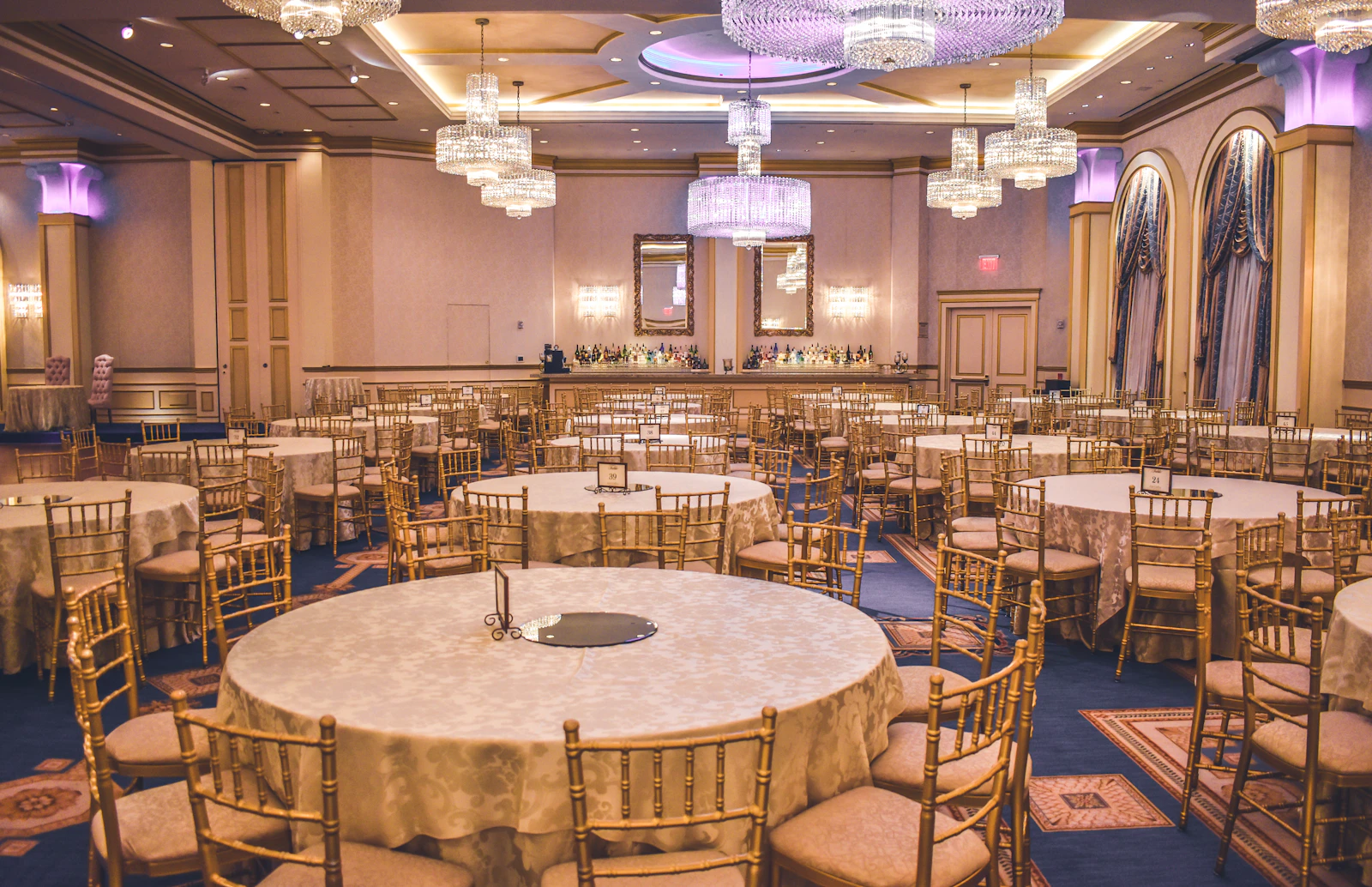
A winter wedding venue can cost 20 to 40 percent less than the same room in June, and it gives you a look nobody else on your street will have. The trade-off is logistics: the sun sets at 4:30, guests arrive in coats, and the weather can turn overnight.
None of that should scare you off. It just means you tour a winter venue with different questions than a summer couple would ask. Here's exactly what to look for.
Why winter venues cost less
Winter is off-peak almost everywhere in the US, and venues price accordingly. Dates from January through March, plus much of November and early December, sit well below peak-season rates. You'll often find lower site fees, more flexible minimums, and vendors with open calendars who actually return your calls the same day.
That discount is real money. On a venue that runs $8,000 to $12,000 on a peak Saturday, an off-peak winter date can shave several thousand dollars off before you've negotiated anything. Put that saving toward the stuff guests remember: food, drink, and a warm room. Our wedding venue guide covers how to compare site fees against what's actually included.
Where the winter savings show up:
- Lower site fees, especially on Fridays, Sundays, and any date in deep winter.
- Softer minimums on food and beverage spend.
- Vendor availability, which means better photographers and bands are still free.
One caveat: December weekends near the holidays can spike back up. If budget is your driver, aim for January and February.
Light: the 4pm sunset problem
The biggest winter surprise is how early it gets dark. In much of the country, the sun sets between 4:30 and 5:15pm in December and January. That single fact reshapes your entire day, because your outdoor photos and your ceremony light disappear far sooner than a summer couple ever has to think about.
Plan the day around the light, not the clock. If you want any daylight portraits or an outdoor ceremony, you're starting the ceremony by early afternoon, around 1 to 2pm. Build the schedule backward from sunset and share it with your photographer early; our wedding day timeline guide shows how to slot portraits before the light goes.
Ask every venue:
- What time does the sun set on my date, and where does light fall in the space?
- Are there big west-facing windows for indoor golden-hour portraits?
- How is the room lit after dark, and can we add candles or uplighting?
A venue with warm, layered lighting is worth more in winter than any amount of natural charm, because you'll spend most of your reception in the dark.
Guest comfort: coats, heat, and entrances
Cold guests remember being cold. Winter venue comfort comes down to three unglamorous things: a place to put coats, reliable heat, and an entrance that doesn't blast the room every time a door opens. Check all three before you fall in love with the chandeliers.
A real coat check or a staffed coat room matters more than you'd think when 120 people arrive in wool. Ask how the space is heated and whether it's included or an add-on, especially in barns, tents, and industrial venues that look cozy in photos but run cold. And look at the entry: a double-door vestibule keeps the reception warm; a single door straight into the dining room does not.
If any part of your day is outdoors, plan for patio heaters, blankets in a basket, and a genuinely short outdoor stretch. Nobody wants a 25-minute ceremony at 20 degrees. Keep outdoor moments brief and give guests a warm room to return to.
Photo backup locations
Winter weather can cancel your outdoor photo plans with no warning. The venues that save your photos are the ones with beautiful indoor spots you'd actually want in the frame: a grand staircase, a stone fireplace, tall windows, a dramatic lobby. Scout these on your tour as if the weather will be terrible, because sometimes it is.
Walk the venue and mentally shoot it. Where would portraits happen if it's sleeting? Is there more than one indoor option so your gallery isn't ten versions of the same corner? A fireplace and a window-lit hallway can carry an entire winter photo set. Pair strong indoor backdrops with your wedding decor ideas so those spots feel intentional, not like a fallback.
Also ask about a covered entrance or portico. If it snows, you want somewhere guests and the couple can step outside for a few striking shots without standing in it.
Weather clauses in contracts
Read the weather language before you sign anything. Winter brings real risk of snow, ice, and travel shutdowns, and the contract decides who absorbs that risk. The clauses to hunt for cover postponement, cancellation, and what happens if a storm makes the venue unreachable.
You want to know: can you postpone if the roads close, and on what terms? Is your deposit refundable or transferable in a weather emergency? Who is responsible for snow and ice removal on the venue's property, and is the parking lot plowed? Get every answer in writing. A venue that shrugs at these questions is telling you how they'll handle a real storm.
Contract clauses to confirm:
- Postponement policy and any rebooking fee for weather.
- Deposit terms if a storm forces a cancellation.
- Snow and ice removal responsibility for lots, walkways, and entrances.
- Power backup, since winter outages happen and your caterer needs it.
Consider wedding insurance too. A modest policy can cover deposits if a blizzard shuts everything down.
Your winter venue walkthrough checklist
Bring this list to every tour so you're not dazzled into forgetting the practical stuff. A gorgeous room with no coat check and a 4:30 sunset is a harder wedding than an average room that's warm, well-lit after dark, and easy to reach in bad weather.
| Check | What good looks like |
|---|---|
| Sunset time on your date | Ceremony planned around it |
| Indoor lighting | Warm, layered, dimmable |
| Coat storage | Dedicated or staffed |
| Heating | Included, reliable, whole-space |
| Indoor photo spots | Two or more you'd want in frame |
| Weather clause | Clear postponement and deposit terms |
| Access and parking | Plowed lot, safe walkways |
Tour on a cold, gray afternoon if you can. That's the honest version of your venue, and it tells you far more than a sunny open-house ever will.
Common questions about winter wedding venues
Are winter weddings really cheaper?
Usually, yes. Winter is off-peak across most of the US, so venues and vendors drop prices to fill dates. Off-peak winter bookings can run 20 to 40 percent below peak-season rates, with softer food-and-beverage minimums too. The exception is the stretch right around the December holidays, when demand and prices climb back up.
What time should a winter wedding start?
Start earlier than you would in summer. With sunset falling between 4:30 and 5:15pm in December and January across much of the country, an early-afternoon ceremony around 1 to 2pm preserves daylight for outdoor portraits and a naturally lit ceremony. Build your whole timeline backward from your venue's exact sunset time on your date.
How do you keep guests warm at a winter wedding?
Choose a venue with reliable whole-space heating, a real coat check, and an entrance that doesn't dump cold air into the room. Keep any outdoor moments short, and add patio heaters and a basket of blankets for ceremonies or cocktail hours near open doors. Warm lighting and a hot signature drink help the room feel cozy too.
What should be in a winter wedding venue contract?
Look for a clear weather-postponement policy, refundable or transferable deposit terms in a storm emergency, and language on who handles snow and ice removal for lots and walkways. Confirm power backup as well, since winter outages are common. If the venue is vague on any of these, treat it as a warning sign.