Venues & Settings · July 22, 2026 · 6 min read
15 Questions to Ask Before Booking a Wedding Venue
The 15 questions that expose a wedding venue's real cost, rules, and backup plans before you sign, so tour day works for you instead of the sales rep.
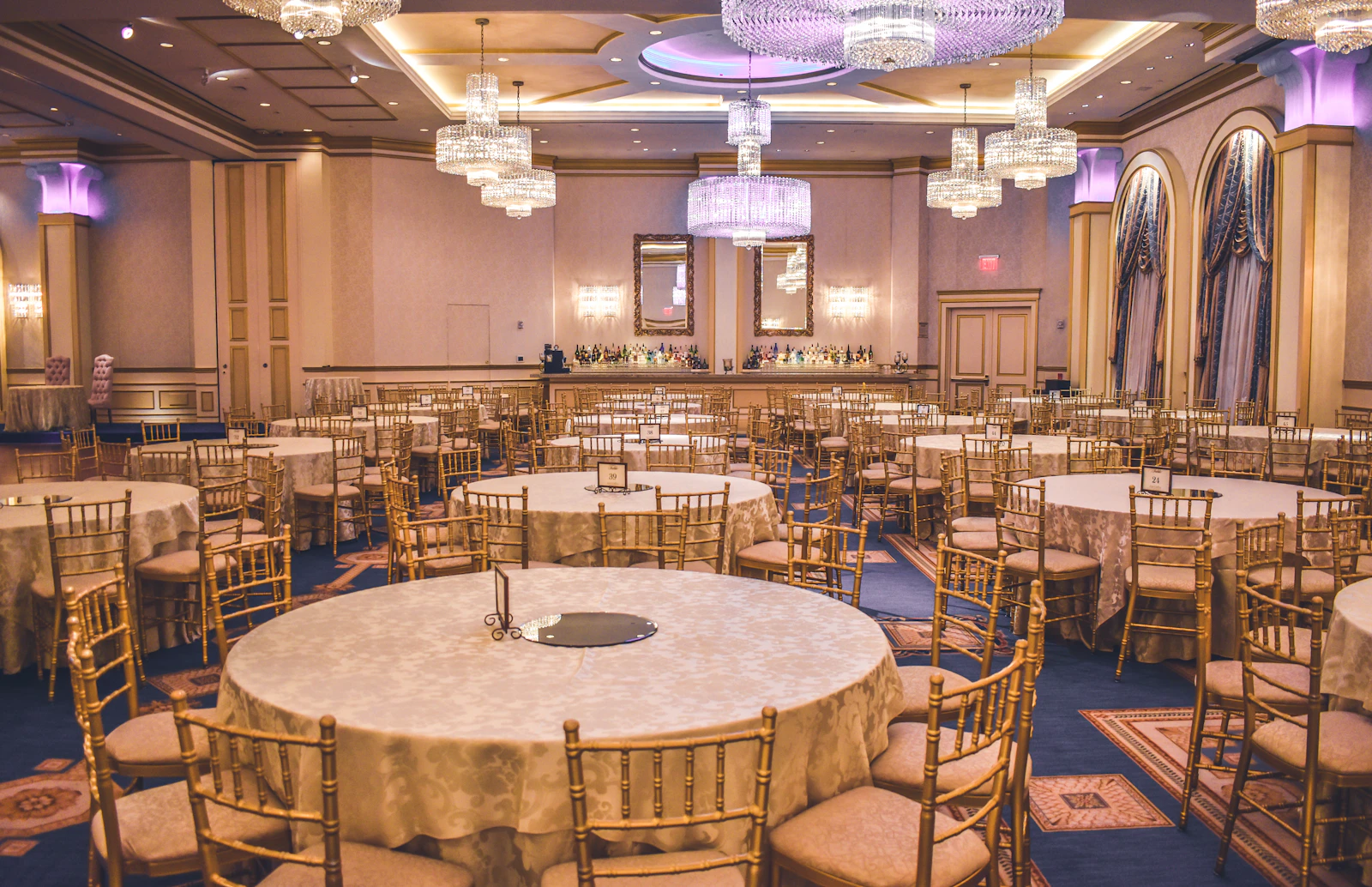
A venue tour is a sales meeting dressed up as a fairy tale. The lighting is perfect, the coordinator is charming, and it's shockingly easy to sign before you've asked what the day actually costs or what happens if it rains.
The fifteen questions below cut through the charm. Ask them out loud on every tour, write down the answers, and compare venues on facts instead of vibes. Some answers will save you thousands. A few will tell you to walk away.
Money questions first
Ask about total cost before you fall in love, because the sticker price is almost never the real price. The published rate usually excludes taxes, service charges, and the food-and-beverage minimum, which can quietly add 25 to 35 percent to your final bill. Get the all-in number in writing on tour day.
- What is the total cost including tax, service charge, and gratuity? A "20% service charge plus 8% tax" turns a $10,000 quote into nearly $13,000.
- Is there a food and beverage minimum? This is the real floor of your spend, and it's often higher than the rental fee itself.
- What deposit holds the date, and is it refundable? Know the cancellation terms before, not after.
- What happens to pricing if we move the date or guest count? Peak Saturdays cost more; midweek and off-season can save 20 to 40 percent.
Do the math on that food-and-beverage minimum against your realistic guest count. If the minimum assumes 150 guests and you're inviting 80, you'll pay for empty seats. Compare every venue's true total using our wedding budget guide so you're weighing apples to apples.
Logistics and capacity questions
Confirm the space fits your actual wedding, not the venue's best-case brochure number. A room's "capacity" often assumes cocktail-style standing or a layout with no dance floor, band, or buffet. The seated-with-dancing number is the one that matters, and it's usually lower.
- What is the seated capacity with a dance floor and band or DJ? Ask for the realistic number, not the fire-code maximum.
- How many hours does the rental include, and when does setup start? You need time for vendors to load in and decorate.
- Is there a separate ceremony space, and is there a fee to flip the room? On-site ceremonies save travel time but sometimes add a "room flip" charge.
- Where do guests park, and is it free? Valet-only or paid parking is a real cost and a real headache for guests.
Walk the actual path your guests will take, from parking to ceremony to reception. If it involves stairs, long outdoor stretches, or a shuttle, that affects elderly guests and your timeline both.
Vendor and catering rules
Ask whether the venue controls your vendor list, because those rules shape your budget and your food. Many venues require in-house catering or a preferred-vendor list, and some charge outside vendors a fee just to work the event. These rules can matter more than the rental price itself.
- Do you require in-house catering, or can we bring our own? In-house is convenient but pricier; outside catering gives you control.
- Is there a preferred-vendor list, and are we required to use it? "Required" and "recommended" are very different words.
- What are the bar rules and corkage fees? Some venues let you supply alcohol for a per-bottle corkage; others mark up every drink.
If catering is in-house, taste the food before you book, not after. The room might be gorgeous and the chicken forgettable. Our wedding catering guide breaks down service styles and the questions that reveal a caterer's real quality.
Weather and backup plans
Every outdoor venue needs an indoor plan, so ask exactly what it is. A vague "we'll figure it out" is a red flag. The good venues have a specific rain plan, a decision deadline, and enough covered space to hold your full guest count without cramming everyone shoulder to shoulder.
- What is the rain or heat backup plan, and does it fit all our guests? See the backup space in person; don't take their word for it.
- When do we have to make the weather call, and who decides? You want a clear cutoff, not a scramble at dawn.
- Is there climate control, or will we need heaters or fans? Barns and tents get brutally hot or cold fast.
Picture your least flexible guest standing in that backup space. If it feels like a compromise you'd resent, that's useful information before you sign.
Timeline and access questions
Clarify exactly when you can get in and when you must be out, because those hours govern your whole day. Venues often bill by the block, and going over runs into steep hourly penalties. A hard 10 p.m. music curfew also quietly reshapes your entire reception timeline.
- What time can vendors access the space for setup? Early access prevents a frantic morning.
- Is there a noise ordinance or hard end time? A 10 p.m. curfew means the party ends earlier than you think once you subtract cleanup.
- How much time is allotted for teardown, and who handles it? Overtime fees for a slow breakdown are a common surprise.
- Can we get in the day before for a rehearsal or drop-off? Handy for décor-heavy weddings.
Sketch a rough hour-by-hour against their access window before you commit. If the math is tight before you've even booked a band, it'll be tighter on the day.
Red-flag answers to walk away from
Some answers should end the tour. If a venue won't put pricing in writing, dodges the total-cost question, or has no real weather backup, treat that as a preview of how they'll communicate for the next twelve months. Booking a venue is a year-long relationship, and vagueness now becomes stress later.
Walk away, or at least pause hard, when you hear:
- "We can't give you a full quote until you book." Real venues quote before you sign.
- "Don't worry about the weather, it'll be fine." No plan is a plan to fail.
- "That vendor fee is non-negotiable and we can't tell you what it covers." Opacity around money predicts more of it.
- "We only had one wedding cancel here, ever." Ask to speak to two recent couples and actually call them.
Trust the pattern, not the charm. A stunning space with a slippery sales rep is still a risk. A slightly-less-perfect venue with clear answers and honest pricing will give you a far calmer year. If a venue keeps failing these questions, keep looking; our wedding venue guide has ideas across every style and budget.
Common questions about booking a wedding venue
What should I ask a wedding venue on the first tour?
Lead with money and logistics: the total cost including tax and service charge, the food-and-beverage minimum, the seated capacity with a dance floor, and the weather backup plan. These four answers separate realistic options from ones that will blow your budget, and they're the questions sales reps least expect on a first visit.
How far in advance should I book a wedding venue?
Popular venues book 12 to 18 months out for peak-season Saturdays, so start touring as soon as your date and budget are set. Off-season or midweek dates give you more availability and better pricing. If a specific venue is your must-have, ask for its open dates first and build the rest of your timeline around it.
What hidden fees do wedding venues charge?
The common surprises are the service charge (often 18 to 22 percent), sales tax, food-and-beverage minimums, cake-cutting or corkage fees, outside-vendor fees, overtime charges, and parking or valet costs. Always ask for a fully itemized quote that includes tax and gratuity, since the headline rental fee rarely reflects what you'll actually pay.
Is it worth paying more for an all-inclusive venue?
Often, yes, if you value simplicity over control. All-inclusive venues bundle catering, rentals, and coordination, which reduces decisions and hidden coordination costs. The trade-off is less flexibility on vendors and menu. Compare the bundled total against booking each piece separately before deciding; sometimes the convenience premium is smaller than it looks.