Small Wedding Venues: Where to Look When Your Guest List Is Under 50
The best places to hold a wedding for under 50 guests, from private dining rooms to estate rentals, plus the minimum-spend trap that catches small weddings.
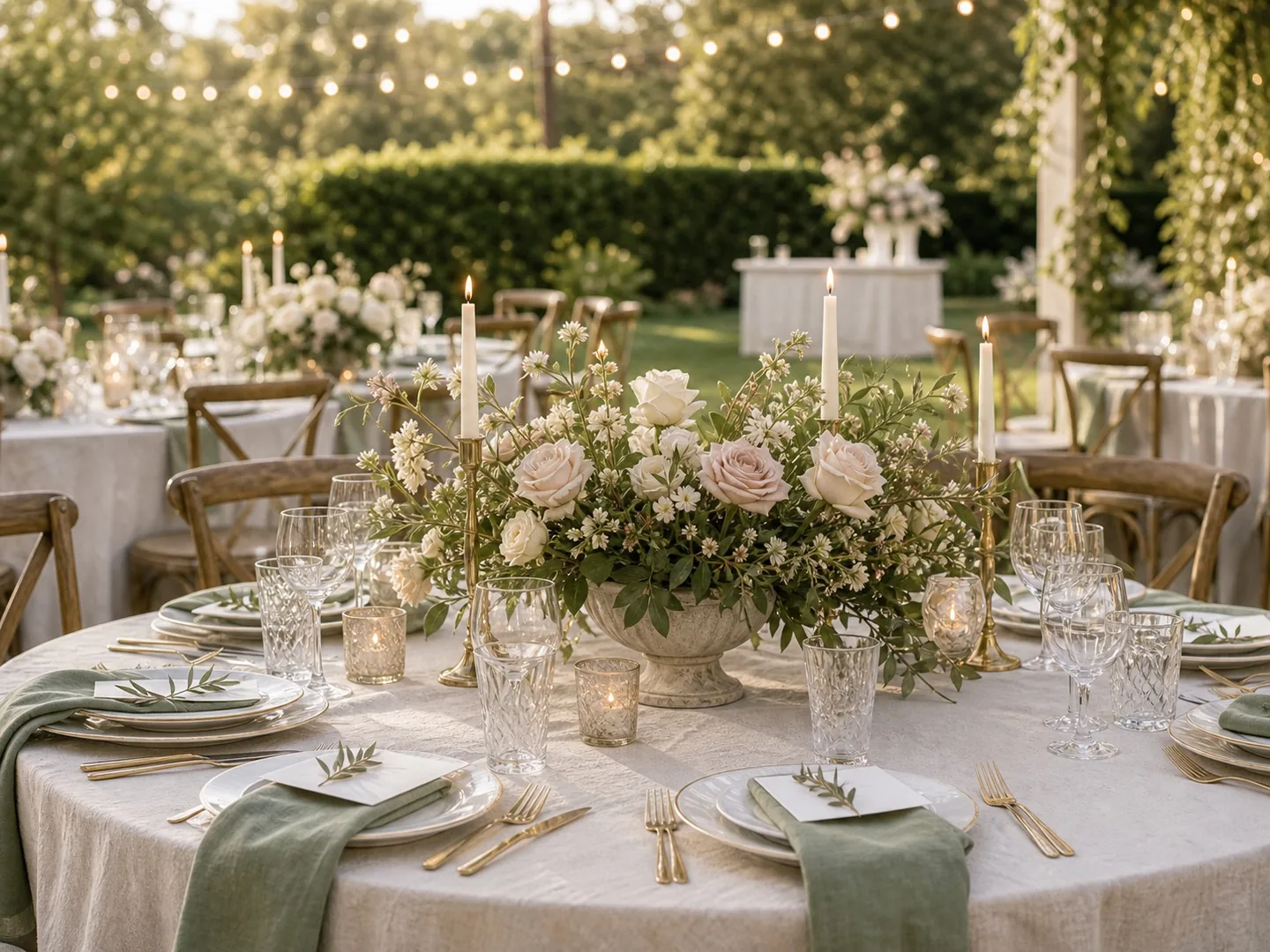
A guest list under 50 is a superpower, not a limitation. It opens doors that a 150-person wedding can't fit through: restaurant back rooms, art galleries, private homes, tiny historic chapels. Places with character that a big crowd would simply overwhelm.
The catch is that many traditional venues are built for big weddings and priced for them, too. Book one for 40 guests and you'll pay for 120 through minimum-spend clauses. So the real skill with a small wedding is knowing where to look, and which questions to ask. Let's get into both.
Why small weddings unlock better venues
The fewer guests you have, the more places can host you, and the more remarkable those places can be. A 40-person wedding fits in spaces a big one never could: a chef's private dining room, a boutique hotel courtyard, a gallery after hours, your favorite restaurant on its dark night. Character over capacity is the whole advantage.
Small weddings also tend to spend differently. With fewer heads to cover, you can put real money into the things guests actually feel, better food, better wine, a genuinely special room, without the total ballooning. Many couples find an intimate wedding lets them trade quantity for quality across the board.
There's a logistics bonus, too. Fewer guests means fewer rentals, a simpler timeline, and often no need for a big-tent infrastructure. If a truly tiny celebration appeals to you, our micro wedding ideas go deeper on planning a wedding that's small by design rather than by default.
Restaurants and private dining rooms
Restaurants are the most underused small-wedding venue, and often the easiest to book. A private dining room or a full buyout on a slower night gives you a room with built-in ambiance, a kitchen that already does this well, and staff who handle service without you renting a thing. For food-forward couples, it's hard to beat.
What makes restaurants work for small weddings:
- The food is the venue's whole job. No separate caterer, no rental kitchen, no tasting-then-hoping.
- Minimums are often reachable. A food-and-beverage minimum for 40 people at a nice restaurant is frequently lower than a venue's flat rental fee.
- Setup is minimal. Tables, linens, glassware, and staff are already there.
Ask about a full buyout versus a private room, and about which nights they'll consider. Many restaurants only do weddings on their typical closed day, a Sunday or Monday, which also tends to lower the cost. Confirm whether you can bring in a cake, and whether they'll do a first dance or you're keeping it seated and simple.
Galleries, gardens, and unexpected spaces
Once you drop below 50 guests, a whole category of non-traditional spaces opens up, and these are where small weddings get genuinely memorable. Art galleries, botanical gardens, historic libraries, greenhouses, small museums, and boutique hotels all host intimate events, often at a fraction of a full wedding-venue price.
Places worth calling:
- Art galleries and studios. Built-in art, great light, modern feel. Usually a flat rental plus your own catering.
- Botanical gardens and greenhouses. Gorgeous backdrops with minimal decor needed. Popular, so book early.
- Historic homes, libraries, and small museums. Character you can't fake, often run by nonprofits with reasonable rates.
- Boutique hotels. A courtyard or rooftop plus rooms for guests, all in one spot.
The trade-off with raw, blank spaces is that you'll bring in more yourself, catering, rentals, sometimes tables and chairs. That can still net out cheaper, but price the whole package, not just the rental. For garden and outdoor-specific settings, our garden wedding ideas cover what these spaces do and don't include.
Airbnb and estate rentals
Renting a house or estate for the weekend has become one of the most popular small-wedding routes, and for good reason. You get a private, personal setting, a place for the couple and close family to stay, and total control over the schedule. For 30 to 50 guests, a large rental home can be the whole wedding: ceremony in the garden, dinner on the terrace, dancing in the living room.
A few things to sort before you book:
- Confirm events are allowed. Many listings ban weddings or cap attendance. Ask the host directly and get it in writing.
- Check the real capacity. A house that sleeps 12 might comfortably host 50 outdoors but only 20 indoors if it rains.
- Plan for the infrastructure. You'll likely rent tables, chairs, possibly restrooms, and hire a caterer. Estate homes are beautiful blank slates, which means you supply the rest.
- Budget for a cleaning and event fee on top of the nightly rate. Wedding-friendly rentals often charge a premium.
Estate rentals shine when you want a relaxed, multi-day feel. They ask more of you logistically than an all-in venue, so weigh that against the freedom they give you.
Minimums: the small-wedding trap
Here's the single biggest thing to watch: the minimum spend. Many venues don't rent by the room, they require you to spend a set amount on food and beverage, or hit a guest-count floor. Those minimums are usually written for 100-plus weddings, and a 40-person wedding can blow right through them, paying for empty seats.
How the trap works and how to dodge it:
- Food-and-beverage minimums. If a venue requires $12,000 in F&B and your 40 guests only eat $7,000 worth, you owe the difference. Ask the number before you fall in love with the room.
- Guest-count minimums. Some venues bill for a minimum of 75 or 100 people regardless of how many come. That's a dealbreaker for a wedding of 40.
- Peak-date pressure. Saturday in June carries the highest minimums. A Friday, Sunday, or off-season date often lowers or removes them.
The workaround is to seek out venues that price by flat rental or that genuinely cater to small groups, restaurants, galleries, and rentals rarely impose big-wedding minimums. When you tour traditional venues, our wedding venue guide lists the contract questions that surface these costs before you sign.
Questions specific to small venues
Small weddings need a slightly different question list than big ones. You're less worried about parking for 200 and more focused on whether the space feels full and warm at 40, and whether the pricing actually fits your size. Here's the quick checklist.
| Ask about | Why it matters for a small wedding |
|---|---|
| Minimum spend or guest floor | The #1 hidden cost for under-50 weddings |
| Room feel at your count | 40 guests in a 200-cap ballroom feels empty |
| Available off-peak dates | Fridays and Sundays cut cost and minimums |
| What's included vs BYO | Blank spaces need rentals and catering |
Beyond those, confirm the ceremony-and-reception flow in one space, ask whether they've hosted weddings your size before, and get every fee in writing. A venue used to intimate weddings will make your 40 feel like a full, joyful room. One that isn't will leave you rattling around in a space built for triple your crowd.
Common questions about small wedding venues
Where should I look for a wedding venue under 50 guests?
Start with restaurants and private dining rooms, art galleries, botanical gardens, historic homes, boutique hotels, and estate or vacation rentals. These spaces suit intimate weddings and rarely carry the big-wedding minimums that traditional ballrooms do. The smaller your guest list, the more character-rich and affordable your options become, so look beyond dedicated wedding venues first.
Are small wedding venues cheaper?
Often, but not automatically. Small venues avoid the high minimum spends of large ballrooms, and fewer guests mean lower catering, rental, and staffing costs. But blank spaces like galleries and estate rentals require you to bring in catering and rentals, so price the full package. A restaurant buyout can be the best value since food, staff, and space come bundled.
What is a minimum spend at a wedding venue?
A minimum spend is a set amount a venue requires you to spend, usually on food and beverage, regardless of guest count. Some venues also set a minimum number of guests they'll bill for, like 75 or 100. For a wedding under 50, these minimums are the biggest hidden cost, so ask for the exact number before touring or signing anything.
Can you get married at an Airbnb or rental home?
Yes, many couples do, but you must confirm the host allows events and weddings, since a lot of listings prohibit them. Check the true indoor and outdoor capacity, plan for rentals like tables, chairs, and restrooms, and budget for a cleaning or event fee on top of the nightly rate. Get event permission in writing before booking.
Written by the Bride Loom editorial team. Read our editorial policy and corrections process.